Liberia Takes New Steps Toward Accessible, Quality Education
Free public primary school registration and a new China-based training opportunity for rural teachers signal renewed investment in Liberia’s education system.
Liberia is taking new steps to address two longstanding challenges facing its education system: the financial barriers that keep some children out of school and the need to strengthen teacher capacity, particularly in rural communities.
As families prepare for the 2026–2027 academic year, the Ministry of Education has announced that parents and guardians will no longer be required to pay registration fees to enroll their children in public primary schools. At the same time, 38 teachers from rural communities across Liberia have been selected for an educational exchange and professional development program in China.
Together, the initiatives represent an important push toward making education more accessible while investing in the educators responsible for delivering it.
Registration Is Free: Removing a Barrier to the Classroom
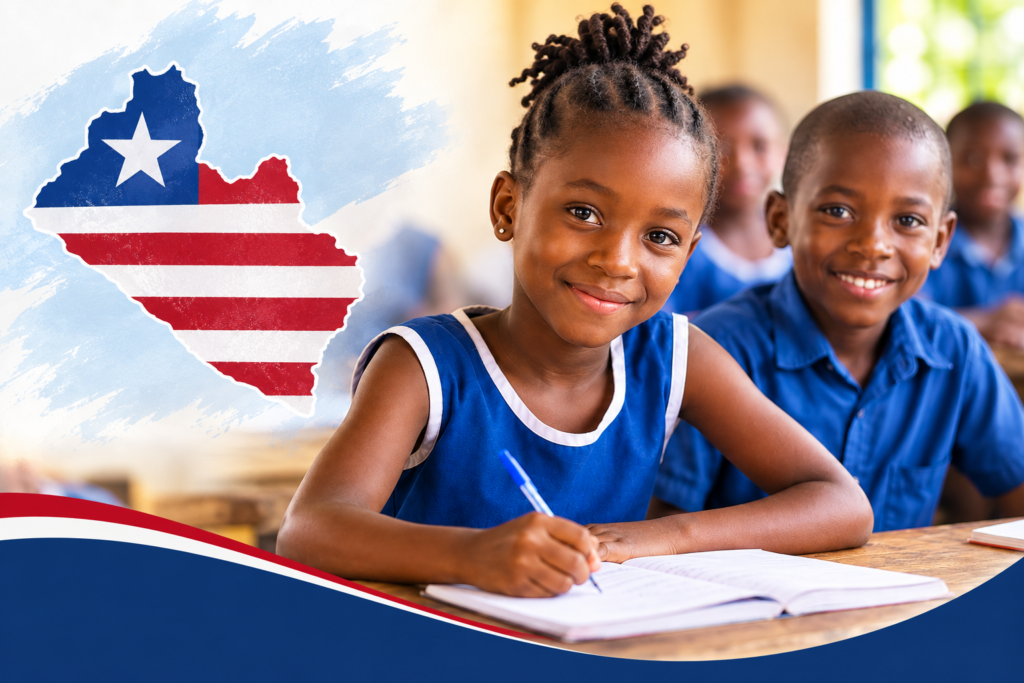
Beginning with the 2026–2027 academic year, registration at Liberia’s public primary schools will be free.
The Ministry of Education has been direct in its message to parents and guardians: take your children to school. Registration fees should no longer stand between a child and a public primary school education.
The policy is significant because even relatively small education-related expenses can become major obstacles for families already balancing food, housing, transportation, uniforms, school supplies and other necessities.
A 2026 Human Rights Watch investigation highlighted the impact these costs have had on Liberian families. Researchers visited 21 schools and interviewed parents, teachers and school administrators in Montserrado, Margibi, Nimba, Bong and Grand Bassa counties. The organization reported that registration fees and other school-related expenses contributed to children enrolling late, missing classes or leaving school altogether.
The government’s response includes plans for capitation grants, which provide funding directly to public primary schools rather than requiring schools to rely on registration fees collected from families.
This distinction is important. Eliminating a fee without replacing the money could leave already resource-constrained schools struggling to operate. Providing government funding alongside free registration is intended to help schools meet their needs while removing that cost from parents.
The initiative also complements Liberia’s newly developed Equitable Funding Policy, announced by the Ministry of Education in July. Under that policy, funding for public early childhood and primary education is designed to account not only for enrollment but also for challenges affecting individual communities.
Schools serving children experiencing poverty, disability, geographic isolation and gender-related barriers are expected to receive additional support.
The approach recognizes an important reality: equal funding does not necessarily produce equal opportunity when some schools and students begin with significantly fewer resources.
Liberia Invests in Rural Teachers
Access to school, however, is only part of the education equation.
Children also need qualified, prepared and supported teachers once they enter the classroom.
On August 16, the Ministry of Education announced the selection of 38 teachers from rural communities across Liberia for an educational exchange and professional development program in the People’s Republic of China.
The program is connected to ongoing cooperation between Liberia and China in education and training.
Earlier this year, Liberia’s Education Minister, Dr. Jarso Maley Jallah, and Chinese Ambassador to Liberia Yin Chengwu discussed expanding cooperation in education, training and people-to-people exchanges between the two countries.
The rural teacher exchange now provides a practical example of that cooperation.
The selected educators are expected to gain exposure to new teaching approaches, educational practices and professional experiences that can ultimately be brought back to the communities and schools they serve.
That rural focus is particularly important.
Teachers working outside Liberia’s major population centers can face challenges ranging from limited instructional materials and professional-development opportunities to inadequate infrastructure and difficulties accessing ongoing training.
Strengthening teachers in these communities can therefore have an impact far beyond the individual educators selected for the program.
When teachers return home with new knowledge and share what they have learned with colleagues, the benefits have the potential to reach additional classrooms, schools and students.
Part of a Larger Education Reform Effort
These developments are not occurring in isolation.
Liberia has introduced several education initiatives during 2026 aimed at improving access, accountability, teacher quality and learning outcomes.
The Ministry of Education has announced plans to place 1,000 additional qualified volunteer teachers on the government payroll using resources allocated in the national budget. It has also introduced a digital school monitoring and supervision system capable of collecting real-time, geo-referenced information on teacher attendance, classroom instruction, student registers, lesson plans and learning materials.
The government is also working to increase school feeding coverage, with a stated goal of reaching 45 percent of primary school students by 2029.
Another major initiative, the Excellence in Learning in Liberia (EXCEL) Project, is expected to invest approximately US$88.7 million in foundational learning. The project is expected to benefit roughly 350,000 learners, more than 12,000 public school teachers and over 4,600 school leaders.
Taken together, these efforts suggest an education strategy that is increasingly looking at the system as a whole—from whether a child can afford to enter school to the quality of teaching that child receives once seated in the classroom.
What This Means for Liberia’s Children
Free registration will not solve every challenge facing Liberia’s education system.
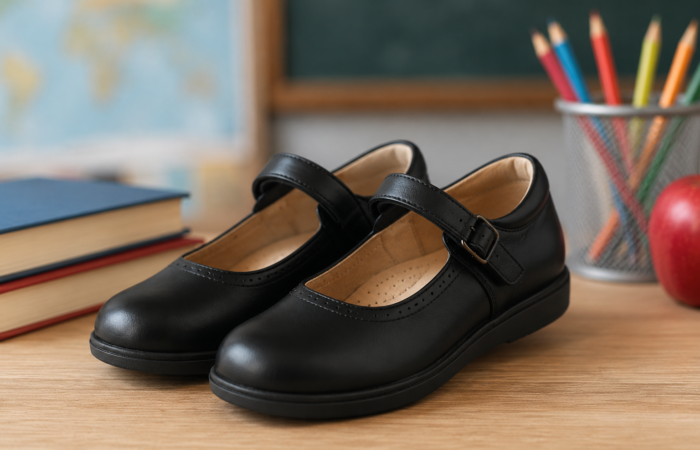
Families may still face expenses associated with uniforms, shoes, transportation, learning materials and other school necessities. Schools, particularly those in underserved communities, will continue to need adequate classrooms, trained teachers, textbooks, sanitation facilities and dependable government funding.
Teacher exchanges will not resolve those challenges by themselves either.
But meaningful change rarely comes from a single policy.
Removing registration fees can help open the schoolhouse door.
Investing in teachers can improve what happens after children walk through it.
Providing more equitable funding can help schools in disadvantaged communities receive resources based on their actual needs.
And stronger monitoring can help ensure that policies adopted in Monrovia translate into improvements in classrooms across the country.
For organizations like Progressive Monkeys, these developments also reinforce why community-based educational initiatives remain important.
Government reforms and nonprofit support do not have to operate separately. While national policies address systemic barriers, community organizations can help fill practical gaps—providing backpacks, uniforms, shoes, hygiene supplies, learning materials, scholarships and other resources that families and students may still need.
The ultimate goal is shared: more Liberian children entering school, remaining in school and receiving the quality education they deserve.
As Liberia begins the 2026–2027 academic year, free public primary school registration and new investment in rural teachers offer encouraging signs of progress.
There is much more work ahead, but each barrier removed and each teacher strengthened brings another opportunity to ensure that a child’s circumstances—or the community in which that child is born—does not determine the limits of their education.

This is encouraging progress for education in Liberia. Making education accessible is an important step, but we also have to think about what helps children stay in school and succeed. What more can we do as individuals and communities to support this progress?